Apple Thinning is Science and Art: How to Create a Plan
PRACTICES
Apple thinning: How to build a successful plan this season
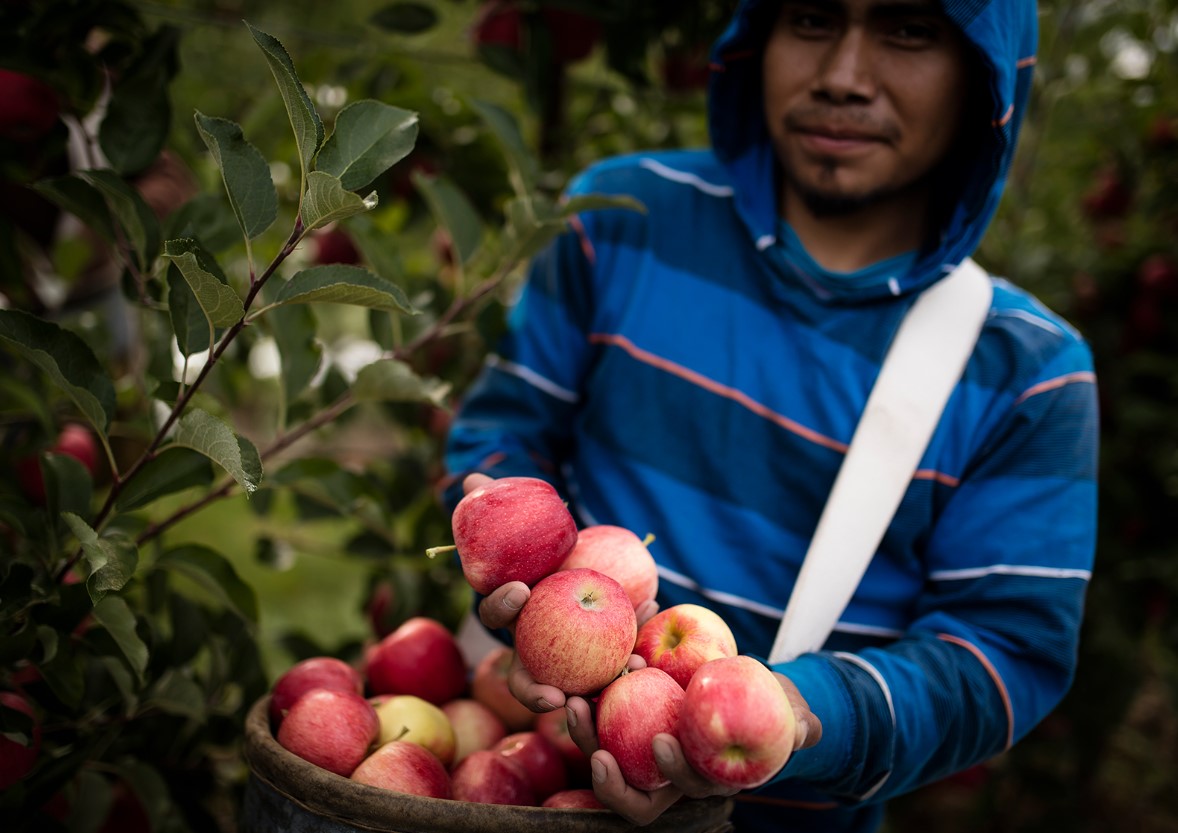
Apple bloom is quickly approaching, and with it, growers will have many decisions to make for the season ahead. One of the biggest — to thin or not to thin? Thinning is both a science and an art, based on key insights from your orchard. It’s like shaping a block of clay, gradually refining your crop load to achieve the desired outcome.
Knowing how to start and find success can be challenging. However, there are several risks associated with not thinning. Over-setting your apple crop can lead to smaller, less profitable fruit, tree damage from excess weight and reduced fruiting potential for the following season. Proper and timely thinning using plant growth regulators (PGRs) and hand thinning can improve overall tree health, fruit quality and harvest efficiency.
To start, consider the history of your orchard blocks and ask yourself the following questions:
- Are the trees within each orchard block strong or weak?
- Is the nutrition program aligned with tree health?
- What is the shape of the tree canopy? This impacts spray coverage and thinning effectiveness.
Once you’ve evaluated these factors, use the following steps to guide your thinning plan.
Step one: Revisit last year’s harvest and set goals
Were your trees heavy or light setting last year? Trees naturally shift toward alternate bearing, so a heavy crop one year may lead to a lighter crop the next. A strong thinning program helps balance this year over year.
Step two: Monitor bloom from the start
- If bloom is light: A thinning PGR may not be necessary, as you want to maximize fruit set. However, certain PGRs can help extend bloom timing for improved pollination under challenging conditions.
- If bloom is heavy: A heavy bloom typically leads to a full fruit set. A “nibble approach” — applying light thinning at multiple growth stages — helps manage crop load effectively.
Step three: Craft a plan
Consider labor availability and timing.
Hand thinning is effective but labor intensive. Chemical thinning can help reduce labor demands.
Ensure proper coverage.
For thinning PGRs to work effectively, sprays must contact targeted tissue.
Monitor weather conditions.
Aim for slow drying conditions followed by warm temperatures to maximize uptake and effectiveness.
Thin progressively and monitor timing.
Assess trees at key growth stages:
- Bloom
- Petal fall
- 5–8 mm
- 12–15 mm
- 20 mm
Successful thinning requires continuous assessment and adjustment. Using PGRs as part of your thinning program means selecting the right tool at the right time. Early-season tools like ATS products are effective at bloom, while products like PoMaxa® Plant Growth Regulator and MaxCel® Plant Growth Regulator are effective from petal fall through approximately 12 mm.
For late thinning, growers can incorporate Accede™ Plant Growth Regulator to extend the thinning window and fine-tune crop load management.
Creating a thinning plan helps set your orchard up for success and achieve consistent, high-quality yields.
If you need help building your thinning program, contact your local Valent sales representative.
Always read and follow label instructions.
* First published by the U.S. Apple Association as part of their Thought Leadership series. Republished with permission.