Controlling Difficult Apple Pests – Woolly Apple Aphid and San Jose Scale
PRACTICES
Managing woolly apple aphid and San Jose scale in apples
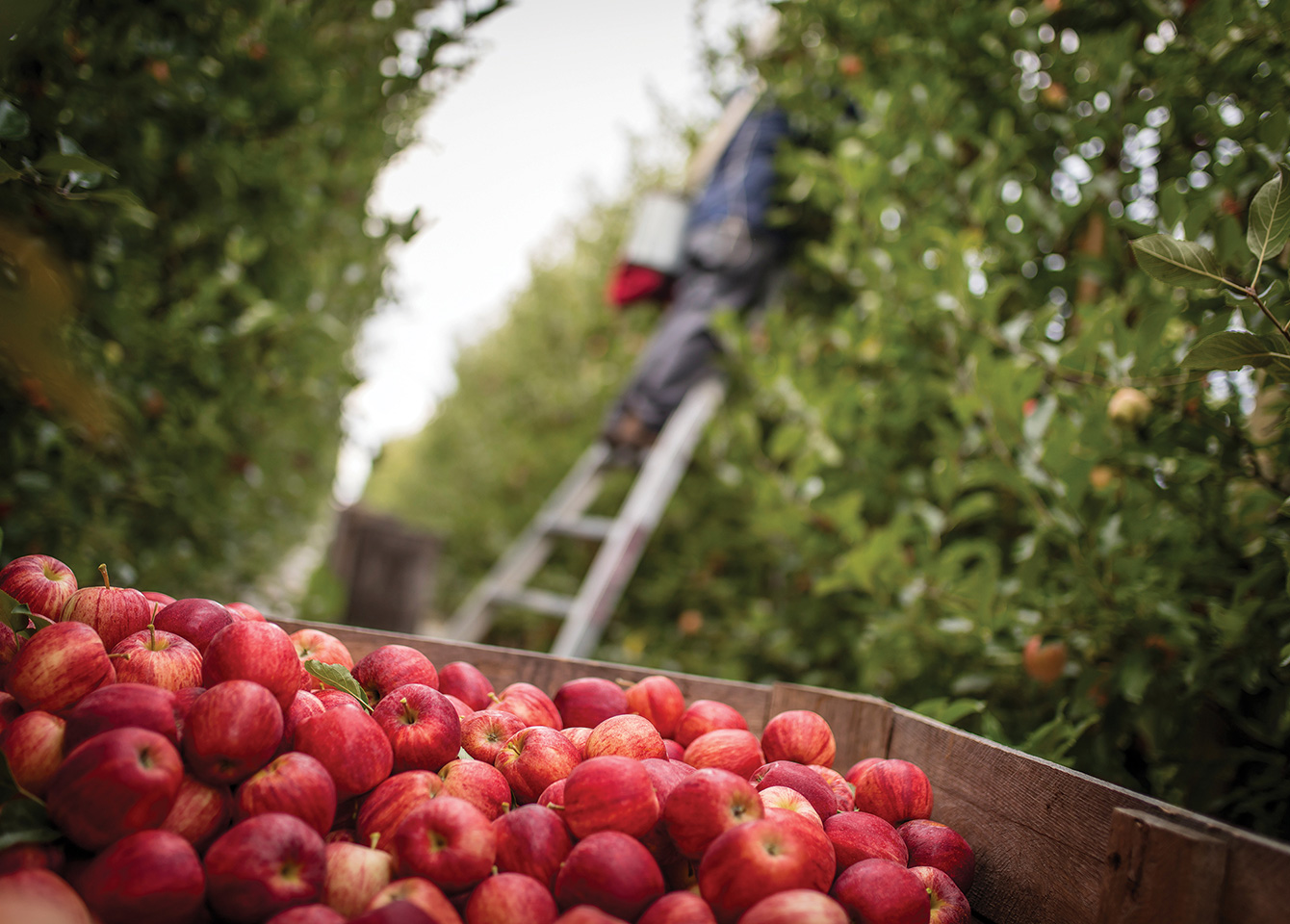
Woolly apple aphid and San Jose scale are pests apple growers have dealt with for years and can significantly impact fruit quality and marketability. These pests can cause curled leaves, black sooty mold and red feeding spots on fruit.
Woolly apple aphid
Woolly apple aphids feed on both the tree canopy and roots. This feeding can cause gall formation on roots and twigs, weakening the tree. Honeydew deposits from these insects can also result in sooty mold growth on fruit.
Management tips
- Scout the prior season for white, cottony infestations on internal canopy scaffolding.
- Be cautious with broad-spectrum insecticides, as they may control target pests but flare secondary pests like woolly apple aphids and San Jose scale.
- Some products used for codling moth control may increase woolly apple aphid pressure.
- Others may reduce beneficial insects such as parasitic wasps, lady beetles and lacewings.
- Apply foliar insecticides at petal fall when aphids are migrating up the tree.
- Use higher rates, adjuvants or products with translaminar and systemic activity to improve control through the aphid’s protective covering.
- If pressure was high the previous season, follow up with another application 14–21 days after petal fall.
San Jose scale
San Jose scale feed on plant juices from twigs, branches and fruit. This can cause red spots, reduce yield and even kill limbs. Scales often hide in cracks and crevices, making them difficult to reach with standard spray programs.
Management tips
- Apply pre-bloom treatments, though additional control may be needed under heavy pressure.
- Follow up with a petal fall application targeting immature scales and sterilizing adult females.
- Ensure proper spray coverage by calibrating equipment and maintaining appropriate speed.
- Incorporate horticultural mineral oil for improved coverage during in-season applications.
- Apply a follow-up spray 14–21 days after petal fall to maintain fruit quality and prevent crawler damage.
A new insecticide solution
Senstar™ Insecticide from Valent U.S.A. provides control of aphids (including woolly apple, rosy apple and green apple) and scale insects (including San Jose and European fruit lecanium) with two effective modes of action that target all life stages, including eggs.
Applying Senstar at petal fall supports early control and helps break the pest lifecycle. Its translaminar movement and systemic activity provide control of pests feeding on both new and existing foliage.
Senstar fits well into Integrated Pest Management (IPM) programs, offering strong control while minimizing disruption to beneficial insects.
To learn more, visit the Senstar product page or contact a Valent sales representative.
Always read and follow label instructions.
* First published by the U.S. Apple Association as part of their Thought Leadership series. Republished with permission.