
Start Early, Stay Persistent on Apple Scab and Powdery Mildew Management
Managing Apple Scab and Powdery Mildew in Orchards
Apple growers know the headache that comes with managing scab or powdery mildew each season. Prevention is key to stay ahead of these diseases, and now is the time to prepare your plan for next season. 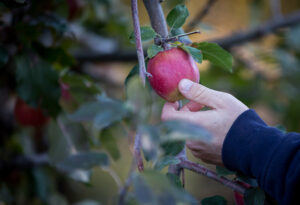
Apple scab and powdery mildew overwinter in the orchard and become more severe based on in-season weather. Growers should not rely on previous pressure to predict the severity of the upcoming season. Growers must assume these diseases will be present and should manage them proactively to prevent primary and secondary infections.
These two diseases can affect apple growing areas differently depending on climate. Apple scab is a perennial problem in cool, wet, temperate production regions like the Northeast, Upper Midwest and west of the Cascade Mountains. Powdery mildew is most problematic in areas with mild, dry weather during spring and early summer like arid portions of the Pacific Northwest.
Through cultural practices and chemical protection options, such as Excalia™ Fungicide, growers can manage these diseases effectively. Excalia is a tool that helps growers start clean by controlling early-season primary infections to minimize secondary spread of scab and powdery mildew.
Best Management Practices
Apple Scab:
- Remove all fallen leaves and fruit in the fall to reduce infection potential next spring
- Apply a preventive fungicide from green tip through petal fall during the primary infection period
- Continue to manage secondary spread with an appropriate fungicide program
Powdery Mildew:
- In the fall, remove primary infection sources including infected terminals through dormant pruning
- Apply a preventive fungicide from green tip through petal fall
- Inspect new growth in-season for early infections and control them beginning at bud break through active shoot growth
Reducing Disease Pressure
With careful scouting and removal of infested leaves and fruit, growers can proactively manage scab and powdery mildew. Additionally, chemical solutions can protect orchards from the start of the season.
Excalia is a succinate dehydrogenase inhibitor (SDHI, Group 7) fungicide that offers fast, locally systemic movement into plant tissue to quickly form a complete zone of protection on leaves for powerful early-season disease control.
Proactive Resistance Management
Being proactive with fungicide applications will help prevent resistance from developing. This is critical to ensure that tools remain effective against these difficult-to-manage pathogens.
Fungicide Resistance Action Committee (FRAC) guidelines for managing SDHI resistance include:
- Use product preventively or early in outbreak
- Limit SDHI applications to no more than two consecutive applications per season
- Premix or tank-mix SDHIs with other effective modes of action
- Rotate SDHIs with other modes of action
Excalia is most effective for early-season use for quick control, then rotate to other modes of action after petal fall. To learn more about Excalia, visit Valent.com/Excalia or talk to your retailer.
Always read and follow label instructions.
* First published by the U.S. Apple Association as part of their Thought Leadership series. Republished with permission of the U.S. Apple Association.